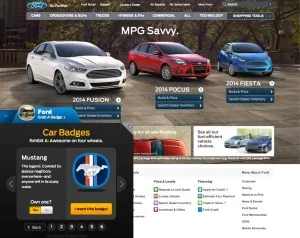
Advertising should complement the context, not detract from it. That’s the useful idea behind native advertising: give people something worth their attention in a format that belongs where they’re reading.
But fitting in isn’t the same as hiding. An ad that looks like an independent recommendation can damage trust if the reader only discovers the sponsor afterward.
What makes native advertising work?
Native advertising can be a sponsored article in a publication, a paid placement in a feed or a useful sponsor contribution in a newsletter that uses the surrounding format. The placement feels connected to the reader’s task instead of interrupting it.
The format alone doesn’t make it good. A polished article that never answers the headline’s question is still a sales pitch wearing someone else’s clothes.
Start with the reader's reason for being there
Consider a sponsored guide to planning event graphics. The useful material might explain viewing distance, readable type, artwork dimensions and the questions to ask a printer. Those details help someone make a decision, even before they choose a supplier.
That’s different from repeating the sponsor’s slogan in six paragraphs. Be specific about the problem, show the available choices and explain the trade-offs.
Make the paid relationship clear
Readers shouldn’t have to guess whether a recommendation is independent or paid for. Make the sponsor and the nature of the placement clear where people encounter the content, not in a distant page they may never open.
Keep the distinction between editorial opinion, a customer’s genuine experience and a brand’s own claims. Don’t manufacture a review or dress up a paid endorsement as a chance discovery.
Give the next click a useful destination
If someone wants more information, send them to the page that answers the next question. A sponsored piece about booth graphics should lead to relevant product or design information, not make the reader hunt through an unrelated homepage. For another kind of paid placement, see how to check Google Maps advertising.
Keep the language consistent between the placement and destination. Check the page on a phone, too. A persuasive article won’t rescue an unreadable form.
Measure what the placement was meant to do
Decide whether the goal is useful readership, qualified visits or inquiries before judging the result. Shares alone don’t establish sales, and a paid placement isn’t the same thing as earning an independent editorial recommendation.
Native advertising also doesn’t replace work on your own site. For that distinction, see our on-page and off-page SEO guide and social media marketing services.